-transparent.svg)

As the vibrant hues of summer fade into the crisp embrace of fall, it's time to rethink your garden's potential with innovative strategies like potato guilds. By embracing this permaculture technique, you have the opportunity to transform your fall garden into a thriving ecosystem that not only maximizes yield but also enhances soil health and natural pest management. Potato guilds, with their focus on symbiotic plant relationships, offer a sustainable approach that balances productivity with ecological harmony. This article will guide you through the principles and practical steps to harness the full potential of potato guilds, setting the stage for a bountiful harvest season.
Understanding Permaculture: A Framework for Sustainable Fall Planting
The Principles of Permaculture
Permaculture is a holistic design philosophy that emphasizes the creation of sustainable and self-sufficient ecosystems. By applying permaculture principles to your fall garden, you can achieve a balanced environment that nurtures plant health, maximizes yield, and supports biodiversity. These principles focus on mimicking natural ecosystems, promoting the use of renewable resources, and ensuring minimal waste. In a fall garden setting, this means strategically selecting plant species that support one another, creating a thriving network of interactions.
Implementing Permaculture in Your Garden
To incorporate permaculture into your fall garden, begin by observing the unique features of your landscape. Assess factors like sunlight, wind patterns, and soil conditions. With this knowledge, you can implement zoning strategies, placing plants where they will naturally flourish. For instance, positioning nitrogen-fixing plants, such as chickpeas, near nutrient-demanding crops enhances soil fertility. Companion planting plays a pivotal role in permaculture, promoting symbiotic relationships among plants, as seen in potato guilds where dill and cilantro deter pests while enhancing flavor.
Long-term Benefits and Sustainability
The long-term benefits of permaculture extend beyond seasonal productivity. By fostering a self-sustaining system, you reduce dependency on external inputs like chemical fertilizers and pesticides. This approach not only conserves resources but also encourages ecological harmony. Over time, your fall garden becomes more resilient to climate variations and pest invasions. Moreover, permaculture emphasizes soil health, enhancing its structure and fertility through organic matter integration and reduced soil disturbance. By adopting permaculture practices, you contribute to a sustainable lifestyle that values nature's inherent wisdom and resilience.
In essence, permaculture offers an innovative framework for fall gardening, transforming it into a sustainable, flourishing endeavor.
The Basics of Potato Guilds in Regenerative Agriculture
Understanding Potato Guilds
At the heart of regenerative agriculture, potato guilds provide a sustainable method to cultivate your garden by fostering biodiversity and creating mutually beneficial plant relationships. These guilds integrate potatoes with complementary plants that support each other through enhanced soil health and natural pest control. The essence of potato guilds lies in the selection of companion plants that work together harmoniously, promoting a thriving ecosystem even as the seasons change.
Companion Plant Selection
In constructing an effective potato guild, the selection of companion plants is crucial. Chickpeas are a favored choice, known for their nitrogen-fixing abilities, which naturally enrich the soil and enhance the growth of potatoes. Additionally, herbs such as dill and cilantro are excellent companions, offering dual benefits. They not only deter pests with their aromatic properties but also contribute culinary and medicinal value to your garden.
Enhancing Soil Fertility and Pest Management
Potato guilds play an integral role in soil enrichment and pest management. By incorporating diverse plant species, you encourage a balance of nutrients in the soil. As companion plants like chickpeas fix nitrogen, they naturally replenish essential elements, reducing the need for synthetic fertilizers. The inclusion of pest-repelling herbs ensures that your garden remains healthy and resilient, minimizing the impact of harmful insects without resorting to chemical interventions.
Maximizing Growth and Yield
The strategic layout of a potato guild allows for efficient use of space, ensuring that each plant receives adequate sunlight and room to grow. By staggering plant heights and considering root depth, you can optimize growth conditions. This not only maximizes yield but also contributes to a more robust and productive garden ecosystem, capable of sustaining itself through the regenerative practices at its core.
Incorporating these principles into your fall garden setup can transform your planting strategy, resulting in a bountiful and self-sustaining harvest.
Companion Planting: Optimizing Space and Pest Management
Achieving Harmony Through Plant Synergy
Companion planting is an age-old agricultural practice rooted in the natural alignment of plants that complement each other's growth and resilience. In the context of potato guilds, this method is pivotal for optimizing space and enhancing pest management. By strategically selecting and positioning plants that mutually benefit from each other, gardeners can create a thriving ecosystem that not only maximizes yield but also maintains environmental equilibrium.
Potatoes naturally benefit from the presence of certain companion plants. Chickpeas enrich the soil with nitrogen, a crucial nutrient that potatoes thrive on. When planted together, these crops create a robust underground network that enhances soil fertility and texture. Dill and cilantro are other strategic additions; while dill attracts beneficial insects, cilantro acts as a natural deterrent against harmful pests. Together, they form a pest-resistant barrier that minimizes crop damage and promotes healthy growth.
Effective Space Utilization
Space optimization in a garden is not merely about fitting the maximum number of plants in a bed; it involves thoughtful planning to ensure each plant receives adequate nutrients, sunlight, and water. In the potato guild, interplanting with garlic and basil can significantly boost the overall health of the crop. Garlic's natural pest-repelling properties and basil's ability to enhance flavors and deter pests create an ideal environment for potatoes to flourish.
The careful arrangement of these companion plants ensures that all have sufficient access to resources without competing destructively. This setup not only ensures a harmonious growth pattern but also conserves space, allowing for more diverse planting and a richer harvest. The strategic placement of plants, including the succession planting of herbs like dill and cilantro, guarantees a continuous cycle of growth and protection, further enhancing the garden’s resilience against seasonal challenges.
Selecting the Right Crops for Fall Planting Success
Understanding Fall Crop Selection
Selecting the right crops for fall planting is pivotal to achieving a thriving and resilient garden. As the temperatures drop, it's essential to focus on crops that not only survive but also flourish in cooler weather. Understanding the unique attributes of fall-friendly plants can guide you in creating a robust and sustainable potato guild.
Embracing Cool-Weather Vegetables
Fall is the perfect time to grow crops that are well-suited to cooler climates. Root vegetables like carrots, beets, and radishes are excellent choices due to their ability to withstand frost. These roots benefit from the nutrient-rich soil conditioned by earlier plantings, such as nitrogen-fixing chickpeas. Additionally, leafy greens like kale, spinach, and swiss chard thrive in the crisp autumn air, providing a continuous harvest into the early winter months.
Incorporating Companion Plants
Integrating companion plants within your potato guild offers a myriad of benefits. Consider planting peas alongside your potatoes; they not only fix nitrogen but also help aerate the soil, promoting healthier root development. Herbs such as dill and cilantro bring a dual advantage, serving as natural pest repellents while adding diverse flavors to your culinary repertoire. Additionally, marigolds are a valuable companion, their vivid blooms deterring pests and adding a splash of color to the fall garden.
Planning for Succession Planting
To maximize yield and ensure a steady supply of produce, implement succession planting techniques. Stagger the sowing of fast-maturing crops like radishes and lettuce to maintain a constant harvest. This strategy not only optimizes space but also helps manage pests by diversifying the crops available throughout the season. With thoughtful planning and strategic crop selection, your fall garden will be well-equipped to thrive, showcasing the transformative potential of potato guilds and permaculture principles.
Enhancing Soil Health with Strategic Crop Selection
The Role of Companion Plants in Soil Enrichment
To cultivate a thriving fall garden, understanding the intricate role of companion plants in soil health is crucial. Potatoes act as the central element of our guild, but it's the symbiotic relationship with plants like chickpeas, peas, and marigolds that elevates the soil environment. Chickpeas excel as nitrogen fixers, converting atmospheric nitrogen into a form accessible to plants, thereby reducing the need for synthetic fertilizers. Peas, too, contribute to this process, enhancing the nitrogen content of the soil and ensuring that nutrient levels remain balanced throughout the growing season. Meanwhile, marigolds offer a unique benefit by suppressing nematodes, which can deplete soil quality and harm root systems.
Optimizing Soil Structure with Diverse Plant Roots
The diversity within a potato guild does more than just enrich the soil chemically; it also physically optimizes soil structure. Varied root systems from plants like dill and cilantro help in breaking compacted soil layers, allowing for improved aeration and water infiltration. This is crucial for potatoes, which require well-drained soil for tuber development. Moreover, the deep roots of these herbs bring up nutrients from lower soil levels, making them available to shallower-rooted plants like potatoes. By selecting plants with complementary root systems, you maintain a dynamic soil profile that supports robust plant growth and resilience.
Natural Soil Amendments and Pest Control
Incorporating diverse plants into your guild not only bolsters the soil naturally but also reduces the need for chemical interventions. Garlic, with its potent pest-repelling properties, minimizes the need for synthetic pesticides, sustaining the soil's natural microbiome. This biological balance is vital for a healthy, self-sustaining garden ecosystem. As you plan your fall planting, consider how each plant contributes to soil health, both in nutrient provision and in maintaining an environment that supports microbial life, ultimately leading to a garden that is both productive and ecologically sound.
Effective Pest Management Techniques for a Healthier Garden
Integrated Pest Management (IPM)
Implementing Integrated Pest Management (IPM) is a cornerstone of cultivating a resilient fall garden. By using IPM, you can manage pest populations in a sustainable and environmentally friendly manner. This approach combines cultural, biological, and mechanical control strategies to minimize pest damage. Begin by monitoring your garden regularly to identify pest issues early. Use simple tools like insect traps or visual inspections to track pest activity.
Once pests are identified, employ cultural practices such as crop rotation and interplanting with pest-repellent plants like basil and marigolds, which naturally deter harmful insects. Biological control methods are also effective; introduce beneficial insects, such as ladybugs and predatory wasps, which can help keep pest populations in check.
Natural Pest Deterrents
In addition to strategic planting, natural deterrents play a crucial role in maintaining a pest-free garden. Companion planting is an effective method; herbs like dill and cilantro not only enhance the flavor of your dishes but also repel pests. Garlic is another powerful ally, known for its ability to ward off a range of insects. Consider using homemade sprays made from garlic or neem oil as a non-toxic alternative to chemical pesticides.
To enhance these methods, ensure your garden is well-maintained. Regularly remove dead or diseased plant material, as these can harbor pests and diseases. Maintain healthy soil by using organic compost, which supports robust plant growth and natural pest resistance.
Sustainable Watering Practices
Watering techniques are crucial in pest prevention. Overwatering can create an ideal environment for pests by promoting fungal growth and attracting thirsty insects. Instead, water deeply but infrequently, encouraging strong root systems and reducing surface moisture. Use mulch to retain soil moisture and suppress weed growth, further minimizing pest habitats.
Finally, observe your garden's ecosystem as a whole. A balanced, biodiverse environment will naturally support pest management and lead to a healthier, more productive garden.
Watering Strategies for Resilient Potato Guilds
Understanding the Water Needs of Potato Guilds
An effective watering strategy is crucial for the success of potato guilds. Potatoes, along with their companion plants such as chickpeas, dill, and cilantro, have varying water requirements. By understanding these needs, you can ensure optimal growth and resilience. Potatoes prefer consistent moisture levels; however, overwatering can lead to rot, especially during the cooler fall months. Meanwhile, chickpeas thrive with less frequent watering, making them an ideal companion in a water-efficient guild system.
Tailoring Watering Techniques
Efficient watering techniques can make a significant difference in maintaining a healthy potato guild. Drip irrigation systems are particularly beneficial, providing targeted hydration to the roots and minimizing water wastage. This method ensures that each plant receives the necessary moisture without over-saturating the soil, a crucial factor for potatoes which are prone to waterlogging. Additionally, early morning watering helps reduce evaporation, allowing the moisture to penetrate deeply into the soil.
Soil Management and Water Retention
The health of your soil plays a vital role in water management for potato guilds. Well-amended soil with adequate organic matter enhances water retention, ensuring that moisture is available to plants for longer periods. If your garden lacks sufficient organic matter, introduce a thin compost layer to improve both water retention and nutrient availability. Mulching with straw or grass clippings is another effective practice, helping to maintain soil moisture levels and reduce temperature fluctuations, especially as the season transitions into fall.
Monitoring and Adjusting Watering Practices
Regular monitoring of soil moisture is essential in crafting an adaptable watering strategy. Utilize a soil moisture meter to assess whether your guild needs additional water. Pay close attention to weather patterns, adjusting your watering schedule as needed. A flexible approach will ensure that your potato guild remains resilient, thriving even when environmental conditions fluctuate. By tailoring your watering techniques to the specific needs of your plants, you create a robust ecosystem that maximizes yield and health.
Maximizing Yield Through Efficient Gardening Techniques
Understanding the Principles of Companion Planting
To truly maximize yield in your fall garden, it is crucial to understand the principles behind companion planting. This practice involves strategically planting different crops in proximity to each other for mutual benefits, such as enhanced growth and natural pest control. By selecting plants that complement the growth cycle and characteristics of potatoes, you can create a symbiotic environment that optimizes space and boosts productivity.
Consider the interplay of plant characteristics—for example, the deep-rooting potatoes benefit from the shallow-rooting herbs like dill and cilantro, which do not compete for resources. These herbs also serve as effective natural deterrents against pests that may target your potato plants. Additionally, the nitrogen-fixing properties of chickpeas enrich the soil, providing essential nutrients that promote healthy potato growth.
Emphasizing Continuous Crop Rotation
To maintain high productivity levels, embrace the concept of succession planting. By timing the planting of dill and cilantro to follow the harvest of early-season crops, you ensure a continuous yield of herbs that contribute to pest management. This tactic also allows for more efficient use of garden space, enabling a seamless transition from one crop to the next, thus maximizing harvest potential in your fall garden.
What You Can Do Next
Cultivate Your Own Fall Garden Oasis
As you embrace the changing leaves and brisk days of autumn, consider transforming your garden into a thriving ecosystem using the techniques explored here. By implementing potato guilds and leveraging the principles of permaculture, you can maximize your garden's potential even in the cooler months. These strategies not only enhance yield but enrich soil health and provide an organic approach to pest management.
Start by identifying companion plants that complement potatoes, such as chickpeas, dill, and cilantro. Planting these together not only improves growth but also naturally repels pests, reducing the need for chemical interventions. Ensure that your planting layout allows for efficient use of space, and consider succession planting to maintain a continuous harvest throughout the season.
Simple Steps to Begin
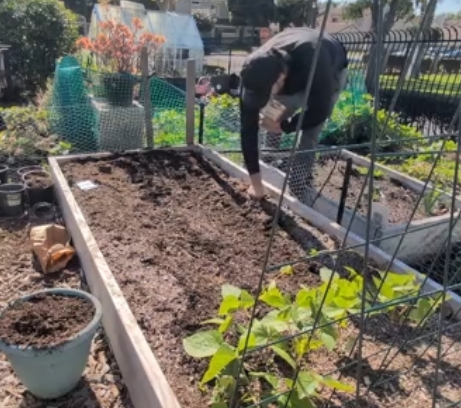
- Plan Your Layout: Identify areas in your garden suited for raised beds or back plots, and design a layout that maximizes sun exposure and soil fertility.
- Choose Your Companions: Select plants that thrive alongside potatoes. Incorporate marigolds, basil, and peas for their pest-repellent properties and nitrogen-fixing capabilities.
- Monitor Water and Soil: Tailor your watering schedule to prevent over-saturation. If needed, enrich the soil with a layer of compost to promote root development.
For those eager to delve deeper, consider viewing our video blog where we explore these techniques in greater detail. Our video offers practical demonstrations and expert tips tailored to help you nurture a resilient, productive fall garden. Subscribe for more insights and join a community of gardeners committed to sustainable, organic gardening practices. Let this fall be the season you elevate your gardening game, crafting a bountiful oasis that endures through the season's chill.
Click Here to Watch Transform Your Fall Gardens
Conclusion
As you embrace the transformative power of potato guilds in your fall garden, you are not merely planting crops but cultivating a resilient ecosystem that thrives on synergy. By strategically pairing companion plants, you optimize space, enhance soil fertility, and bolster natural pest defenses. This approach not only promises bountiful harvests but also fosters a sustainable gardening practice that aligns with permaculture principles. As your garden flourishes, you are contributing to a more balanced environment and ensuring a productive growing season. Let this season of renewal inspire you to innovate and nurture your garden through thoughtful, strategic planting.